Household Guide: How to Choose Senior Care with Specialized Memory Assistance
@connerdaaf770
Business Name: BeeHive Homes of Great Falls
Address: 2320 15th Ave S, Great Falls, MT 59405
Phone: (406) 205-4516
BeeHive Homes of Great Falls
At BeeHive Homes of Great Falls in Great Falls, MT, we offer assisted living, respite care, and memory care for people with dementia. Our residents enjoy living in a cozy place with knowledgeable and caring staff. We aim to meet each person's changing care needs and keep residents as independent as possible. We also plan events and senior living activities based on their interests and skills. Contact us immediately to learn more about how we can help your senior today!
2320 15th Ave S, Great Falls, MT 59405
Business Hours
Families rarely plan for memory loss. It gets here in pieces, first as little lapses, then as spaces that unsettle routines. What begins as misplaced keys becomes missed medications or a stove left on. The stakes increase quietly, then at one time. When a parent or spouse starts drifting into confusion, choosing the ideal environment is both a security decision and a promise about quality of life. That is where specialized memory support within senior care modifications the formula, supplying structure, calm, and dignity for individuals dealing with dementia.
I have sat with kids who bring regret about thinking about a move, and with partners who have actually not slept through the night in months. I have actually strolled communities at 6 a.m., when the night shift is just ending and you can see what a location is actually like. The very best decisions originate from clear details, honest reflection about requirements, and first-hand observation you can trust. This guide translates those elements into useful steps you can utilize ideal away.
What specialized memory support in fact means
"Memory care" is not simply marketing. It usually describes a protected residential environment designed for individuals living with Alzheimer's disease or related dementias. The goal is to minimize stress and anxiety, avoid hazardous roaming, and hint everyday jobs so citizens can take part to the very best of their capability. Excellent programs produce predictable rhythms, use visual triggers and color contrast, and train staff to react to distress without escalating it.
Memory care is various from basic assisted living or nursing homes. Assisted living assists with day-to-day activities like bathing and dressing, but it might not have the staffing patterns, ecological design, or consistent programming needed for dementia care. An experienced nursing center concentrates on scientific complexity and rehabilitation. Some do memory care well, others are essentially medical systems that are not perfect for somebody who benefits from a homelike regimen and engagement.
Respite care fits together with these options. It is short-term, organized stays in a memory care environment that provide household caretakers a break, enable healing after hospitalization, or test-drive a neighborhood before a long-term relocation. Even a week can stabilize sleep, enhance medication adherence, and reveal you how your loved one reacts to a more structured day.
When home stops being safe enough
Every family asks the very same question: is it time? No single indication determines a move, but patterns matter. I search for modifications throughout three domains.
Safety: duplicated wandering outside, getting lost in familiar locations, leaving doors opened during the night, cooking area hazards, or falls that take place in similar circumstances.
Health: unintentional weight-loss, dehydration, repeated urinary system infections, missed medications, or diabetes management that has actually become unpredictable since cognition dropped even a little.
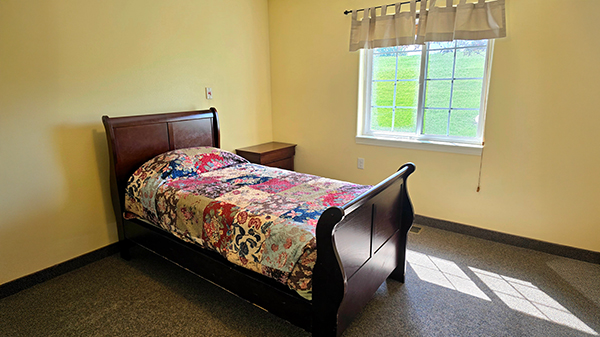
Caregiver stress: one person offering round-the-clock supervision, interfered with sleep due to sundowning, and psychological or physical burnout. When the main caretaker is at danger, the scenario is no longer stable.
Families sometimes try to extend home care by including hours or setting up innovation. That can work for a while. But even with electronic cameras, apps, and a next-door neighbor looking in, somebody with advancing dementia requires cueing throughout the day, not simply coverage. A structured setting can lower crises long before emergency situations force an unintended move.
The anatomy of a strong memory care program
If you tour ten neighborhoods, you will hear ten various pitches. Strip away the marketing and take a look at particular elements that predict resident wellness.
Staffing ratios and stability matter. There is no universal legal ratio for all states, but numerous high-quality memory care systems go for one direct care staff to every five to eight residents throughout the day, shifting during the night when locals sleep. Ask about period. A team with low turnover has the rhythms that produce calm. When I see the very same aides greeting residents by name across multiple visits, I anticipate less behavioral outbursts.
Training hours must be continuous, not a one-time orientation. Look for programs that teach interaction strategies, non-pharmacologic methods to anxiety, pain recognition in nonverbal homeowners, and de-escalation. Ask who conducts training, how often, and what the last in-service covered.
Clinical coordination is the bridge between life and medical oversight. Strong communities track weight, hydration, bowel routines, sleep, and mood, then share those patterns with the nurse practitioner or medical director. They have a standard method to keep track of delirium risk when somebody has an infection, and they escalate modifications rapidly to household and service providers. Medication management is disciplined, with double-checks for high-risk drugs.
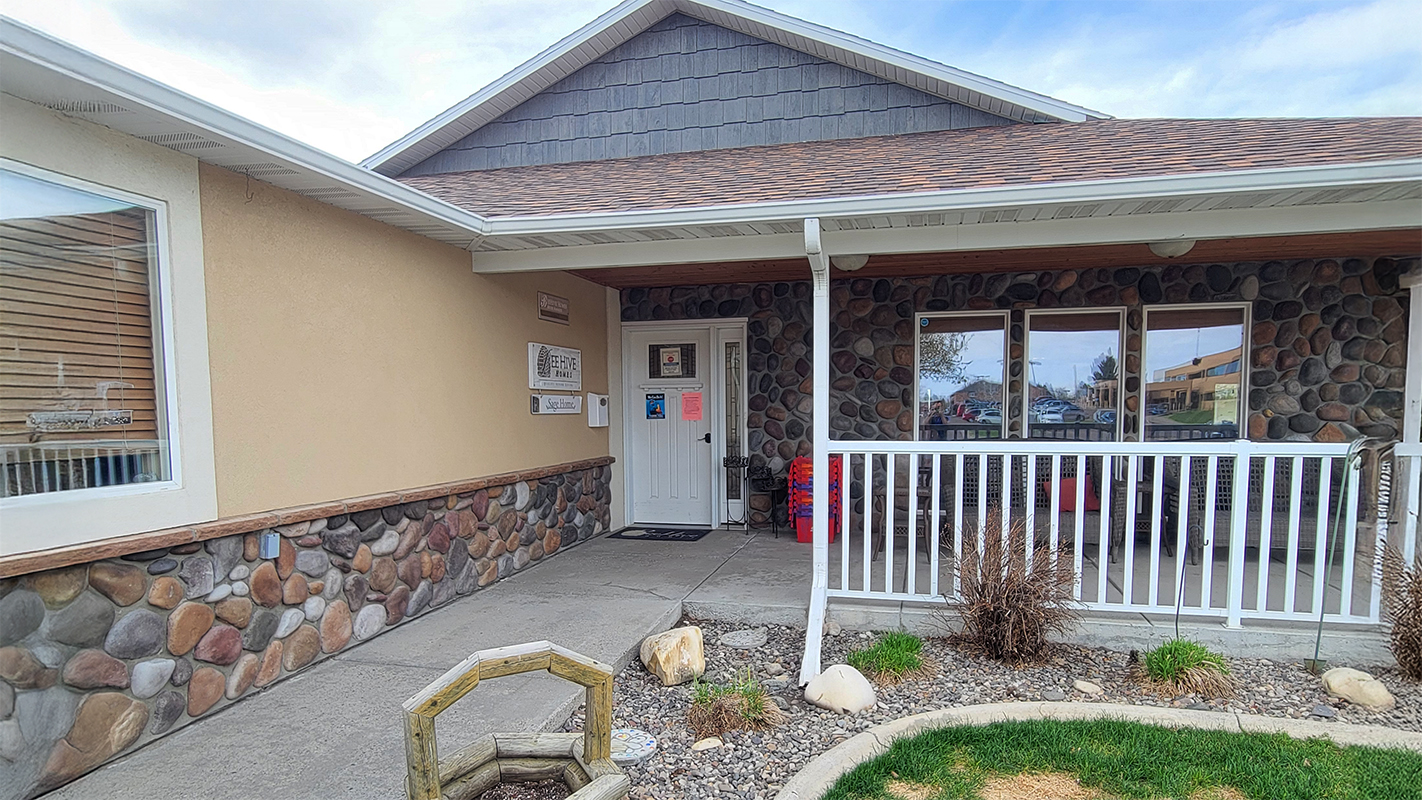
Environmental style supports orientation and self-respect. You desire a compact footprint with circular strolling paths, safe outdoor gain access to, excellent lighting that reduces shadows, clear signage using both words and images, and distinct color contrasts that aid with depth perception. Bathrooms must have obvious cues: colored toilet seats for contrast, non-glare floors, and grab bars where the eye naturally goes.
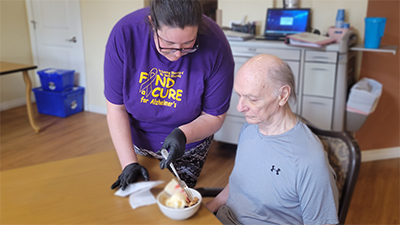
Daily life must be meaningful, not simply busy. Activities should match cognitive levels and personal histories. I have seen former accountants unwind while sorting and verifying coin rolls, garden enthusiasts illuminate when watering plants, and long-lasting churchgoers settle when hymn sing-alongs start. Programs ought assisted living great falls mt to fill early mornings with higher-energy engagement and scale down into gentler sensory tasks in the afternoon when sundowning risk rises. The best places treat mealtime as both nutrition and social ritual, with flexible adjustments for swallowing difficulties.
Family collaboration seals it. Excellent groups ask you for a life story file and utilize it. They text or call when something modifications, not just at care conferences. They invite you into care planning, yet safeguard your role as household, not personnel. If a neighborhood withstands family input, you may struggle later when the illness progresses.
The first visits: how to read what you see
Tours typically happen at ideal hours. Demand an unscripted lap through the structure during a meal or shift change. Get here ten minutes early and observe without a sales filter. Look at the published activity calendar, then see if it is occurring or if the television is filling in for canceled programs. Notice smells. A faint scent of cleaning products can be normal, however ongoing urine smell suggests persistent housekeeping spaces or incontinence plans that are not working.
Speak to aides, not simply supervisors. Ask what they take pleasure in about the system, how long they have worked there, and who trains new staff. View how staff approach citizens. Do they crouch to eye level, usage names, and deal options? Or do they steer residents by the elbow without a word? Those micro-moments tell you more than any brochure.
Look at dining. Are plates high contrast so food is visible? Are homeowners consuming, or is food left unblemished? One neighborhood I trust sets out adaptive utensils as standard, not only when a resident "certifies." That attitude prevents frustration long in the past fine motor skills decline.
Here is a basic checklist to stable your impressions without turning the visit into an interrogation.
- Staffing: number of assistants on the floor, nurse presence, observed staff-resident interactions.
- Environment: lighting, sound level, safe outside space, tidy restrooms with visual cues.
- Daily life: evidence that calendar activities are in fact happening, personalized items in common spaces.
- Health regimens: medication pass observed for precision and calm, hydration readily available, movement support.
- Family gain access to: how updates are shared, transparency about incidents, versatility for unplanned visits.
Levels of care and how they shift over time
Memory care is not fixed. A resident might enter fairly independent, requiring cues and safety, then advance to hands-on aid with feeding, transfers, and health. Ask how the community assesses levels of care and how those levels translate to month-to-month charges. Clarify what occurs when needs modification. A thoughtful program reevaluates at regular intervals, not only when there is an issue. It will likewise have a plan for when the resident needs hospice, intravenous antibiotics, or behavioral assistance beyond the unit's scope.
For some households, the course starts with respite care. A two-week stay offers a picture. You will see if your loved one sleeps much better in a structured environment, if cravings returns with communal dining, and whether wandering decreases with safe strolling paths. If the stay goes well, transforming to long-lasting residency can be smoother due to the fact that the environment is familiar.
The cost discussion you can not avoid
Memory support is expensive. Regular monthly charges differ extensively by region and by whether the neighborhood is assisted living based or part of a skilled nursing center. It is common to see a base rate for space and board, then service charges for the memory care program and for the level of individual care required. Some neighborhoods utilize extensive prices to decrease surprises, while others costs à la carte for bathing support, incontinence products, or accompanying to meals.
Insurance protection is restricted in the United States. Conventional Medicare does not pay for space and board in assisted living or memory care. It can cover knowledgeable services like treatment or nursing after a qualifying health center stay, however not the residential expense. Long-lasting care insurance coverage may help if the policy includes dementia care and the neighborhood satisfies the policy's definition of a certified setting. Medicaid can spend for memory care in some states through waiver programs, generally with waitlists and eligibility guidelines that require properties to fall below thresholds. Veterans and making it through spouses might receive Aid and Attendance advantages that partially offset costs.
Families typically ignore the add-ons that matter. Transport to outdoors visits, private sitters throughout hospitalizations to avoid delirium, dental care, podiatry, hearing help, and incontinence products accumulate. Develop space in your budget for those recurring items.
To make the mathematics and the process more manageable, move through a brief sequence.
- Map current expenses: in-home assistants, adult day programs, home maintenance, meal delivery, and unpaid caretaker time. Compare to the memory care rate.
- Confirm advantages: review long-lasting care insurance coverage activates, VA Help and Presence eligibility, and state Medicaid waiver pathways.
- Ask for a charge sheet: determine base rate, care level charges, and typical add-ons. Model best and worst case regular monthly totals.
- Stress test the strategy: can the spending plan hold if care level boosts by a couple of steps within a year?
- Plan for shifts: understand notification requirements for fee modifications, deposit refund policies, and what occurs if funds run short.
Culture fit is not fluff
Some neighborhoods feel like peaceful libraries. Others hum with activity. Either can be right depending upon the person. A retired engineer who prefers regular and calm may love foreseeable, small-group tasks. A previous teacher may do better where there is frequent music, corridor conversation, and grandchildren visiting. Take notice of little cues. Do citizens wear their own clothing and hairdos, or does everybody look the very same by midday? Are there traces of specific life stories in common locations, like a shadow box outside each room with photos and mementos? Is there area for failure without shame, such as a baking program where buns come out misshapen and everyone laughs?
I remember a female with early-onset Alzheimer's who stopped concerning activities at one community. Staff thought she was withdrawing. At another setting with an art studio feel, she painted in long, absorbed stretches and needed fewer anxiety medications. The medical needs did not change. The culture enabled her staying strengths to lead.
Red flags you should not rationalize
Families often talk themselves out of what they see, specifically when a waitlist or a special rate is on the line. Decrease if you discover repeated call lights unanswered, locals sleeping in wheelchairs in hallways for long periods, staff who do not understand names, or a protective response to basic concerns. Turnover takes place in healthcare, however continuous churn at the management level often foreshadows inconsistent care. If tour guides avoid certain hallways or state you can not visit throughout meals, ask why. A neighborhood that genuinely does great dementia care is happy to show it at unpleasant times, not simply throughout the afternoon sing-along.
Safety, elopement, and dignity
Families stress over locked doors, in some cases corresponding secured systems with loss of liberty. The right style protects autonomy while securing from harm. I like to see perimeter security with discreet alarms, interior doors that are simple to navigate, and coded exit doors that do not feel punitive. Outdoor courtyards should be fully enclosed, with furniture that does not tip and visual barriers where a resident may try to climb up. Roam management innovation can assist, but it should enhance, not replace, staff observation.
Dignity appears in toileting support. If every resident is rushed to the restroom at the exact same time for staff convenience, or if incontinence items are utilized as a default instead of last resort, expect skin breakdown and agitation. In a thoughtful program, staff discover everyone's natural rhythms, use prompts, and change fluid consumption timing. That level of individual attention minimizes infections and falls, and it protects self-respect in a deeply human way.
Medical intricacy and behavioral health
Dementia seldom travels alone. Diabetes, heart failure, COPD, chronic kidney disease, and orthopedic problems complicate care. Include the behavioral symptoms of dementia and the picture gets even more complex. Before moving in, divulge the complete medical history, consisting of any episodes of aggression, exit-seeking, or psychosis. Neighborhoods are more successful when they plan proactively with individualized methods, not generic "PRN" sedatives.
Ask about partnerships with geriatric psychiatry, action procedures for severe agitation, and comfort-first approaches near the end of life. A neighborhood that trains personnel to translate habits as interaction will utilize fewer restraints and antipsychotics. They will try to find the headache behind the screaming or the foot discomfort behind the rejection to walk. If a supplier tells you flatly that they do not accept residents with any behavioral symptoms, think about whether they can realistically manage the natural course of dementia.
How respite care assists households breathe and plan
Caregivers frequently see respite as giving up, when it is really tactical. A short stay can reset the home. You can address your own medical consultations, sleep through the night, and return as a more patient partner. For the individual with dementia, respite presents regimens, peers, and therapy without the pressure of a long-term relocation. If the stay exposes friction points, you discover what to change. Maybe meals need to be finger foods, or showering works much better in the afternoon. Those lessons help whether you return home or transition to long-lasting care.
For novice users, strategy respite at least numerous weeks ahead to permit evaluation, medication list reconciliation, and picking personal items to bring. Ask how the community documents the stay. A great summary describes state of mind, sleep, hunger, mobility, and anything that alleviated or set off distress. Save that report. It becomes part of your care playbook.
The relocation itself: minimizing disruption
Moving day is charged. A resident unfamiliar with the area can end up being fearful, and families frequently over-explain. Easy, warm language works best. Focus on immediate conveniences: a familiar blanket, the photo that constantly rested on the nightstand, favorite music queued up. Get here before lunch so there is built-in structure within hours. Personnel needs to handle the first shower or individual care after relationship constructs, not on day one if it can be avoided.
Coordinate with the primary care service provider to ensure medication timing and formulas correspond. Sudden changes, like converting a long-used tablet to a crushed mix, can stimulate refusal or queasiness. Label clothing and personal devices. Prepare a brief life story sheet with 2 or 3 anchors, such as retired bus chauffeur, likes gospel music, morning coffee before discussion. That is enough to assist initial interactions without overwhelming staff.
Visits in the very first week need to line up with the neighborhood's guidance. Some households benefit from daily existence to reassure their loved one. Others discover that going back a bit permits the resident to bond with personnel and routine. There is no single right response. Enjoy your loved one's cues.
Rights, openness, and what to do if something goes wrong
Residents have rights, even in protected memory care. You are entitled to a copy of the resident contract, the service strategy, and any notices of modification in condition or fees. If there is a fall, pressure injury, or medication mistake, expect timely alert and a strategy to prevent reoccurrence. A neighborhood that deals with occurrences as discovering opportunities, not humiliations to conceal, improves quickly.
If issues persist, escalate with specificity. File dates, times, and what you observed. Request a care conference with management, nursing, and activities. In numerous states, an ombudsman program can moderate. Changing neighborhoods is in some cases the ideal relocation, but ensure you have attempted clear, collective steps initially. Frequently a problem identified as "behavioral" deals with when discomfort is dealt with, hearing help work again, or a bathroom is customized to decrease glare.
Balancing the head and the heart
Choosing memory support is both a financial and a psychological choice. The logic of safety and engagement should sit alongside grief for what is altering. Let yourself feel both. When families pick well, they report unanticipated relief. Sleep returns. Meals become visits, not battlefields. Conversations shift from who forgot to what still brings pleasure. The person you enjoy is still there, in some cases in flashes, sometimes in constant warmth that surface areas when stress and anxiety is lowered.
The goal is not to find perfection. It is to find a setting that handles the regular days well and the tough days with competence and empathy. Visit more than as soon as. Trust what you see. Use respite care if you need a bridge. Keep promoting as the illness evolves. And keep the easy markers of an excellent day for your loved one, then choose the location that provides those markers most consistently. That is how households make wise decisions about senior care with specialized memory assistance, and how dignity stays in the center of the room.
BeeHive Homes of Great Falls provides assisted living care
BeeHive Homes of Great Falls provides memory care services
BeeHive Homes of Great Falls provides respite care services
BeeHive Homes of Great Falls supports assistance with bathing and grooming
BeeHive Homes of Great Falls offers private bedrooms with private bathrooms
BeeHive Homes of Great Falls provides medication monitoring and documentation
BeeHive Homes of Great Falls serves dietitian-approved meals
BeeHive Homes of Great Falls provides housekeeping services
BeeHive Homes of Great Falls provides laundry services
BeeHive Homes of Great Falls offers community dining and social engagement activities
BeeHive Homes of Great Falls features life enrichment activities
BeeHive Homes of Great Falls supports personal care assistance during meals and daily routines
BeeHive Homes of Great Falls promotes frequent physical and mental exercise opportunities
BeeHive Homes of Great Falls provides a home-like residential environment
BeeHive Homes of Great Falls creates customized care plans as residents’ needs change
BeeHive Homes of Great Falls assesses individual resident care needs
BeeHive Homes of Great Falls accepts private pay and long-term care insurance
BeeHive Homes of Great Falls assists qualified veterans with Aid and Attendance benefits
BeeHive Homes of Great Falls encourages meaningful resident-to-staff relationships
BeeHive Homes of Great Falls delivers compassionate, attentive senior care focused on dignity and comfort
BeeHive Homes of Great Falls has a phone number of (406) 205-4516
BeeHive Homes of Great Falls has an address of 2320 15th Ave S, Great Falls, MT 59405
BeeHive Homes of Great Falls has a website https://beehivehomes.com/locations/great-falls/
BeeHive Homes of Great Falls has Google Maps listing https://maps.app.goo.gl/1z93HCVXHyRSY9gU6
BeeHive Homes of Great Falls has Facebook page https://www.facebook.com/beehivehomesgreatfalls
BeeHive Homes of Great Falls has an Instagram page https://www.instagram.com/beehivehomesofgreatfalls
BeeHive Homes of Great Falls won Top Assisted Living Homes 2025
BeeHive Homes of Great Falls earned Best Customer Service Award 2024
BeeHive Homes of Great Falls placed 1st for Senior Living Communities 2025
People Also Ask about BeeHive Homes of Great Falls
What is BeeHive Homes of Great Falls Living monthly room rate?
The monthly cost for assisted living, memory care, or senior care in Great Falls, MT depends on the level of care needed. Each resident receives a personalized assessment, and pricing is based on that evaluation. BeeHive Homes is known for clear, transparent pricing with no hidden fees
Can residents remain at BeeHive Homes as their care needs change?
In many cases, yes. BeeHive Homes of Great Falls is designed to support residents as their needs evolve, whether that means increased assistance with daily living or transitioning to memory care within the BeeHive network. Residents may remain as long as their needs can be safely met without 24-hour skilled nursing
What types of senior care are offered at BeeHive Homes of Great Falls, MT?
BeeHive Homes of Great Falls provides a range of care options, including assisted living, memory care, respite care, and specialized traumatic brain injury (TBI) assisted living care. Care is offered across eight (8) residential-style BeeHive Homes located throughout the Great Falls community, each designed to support a specific level of care
What is Traumatic Brain Injury (TBI) assisted living care?
Traumatic Brain Injury assisted living care is designed for individuals who need daily support following a brain injury but do not require 24-hour skilled nursing. At Fireweed Home, BeeHive Homes of Great Falls provides structured routines, personalized assistance, and consistent supervision tailored to the unique needs associated with TBI
Can families tour BeeHive Homes of Great Falls?
Absolutely! Families are encouraged to schedule a tour to learn more about assisted living, memory care, and senior living in Great Falls, MT. To arrange a visit or speak with our team, please call (406) 205-4516
Where is BeeHive Homes of Great Falls located?
BeeHive Homes of Great Falls is conveniently located at 2320 15th Ave S, Great Falls, MT 59405. You can easily find directions on Google Maps or call at (406) 205-4516 Monday through Sunday Open 24 hours
How can I contact BeeHive Homes of Great Falls?
You can contact BeeHive Homes of Great Falls by phone at: (406) 205-4516, visit their website at https://beehivehomes.com/locations/great-falls, or connect on social media via Facebook or Instagram
Conveniently located near Beehive Homes of Great Falls AMC CLASSIC Great Falls a great movie theater with full food & drink menu. Catch a movie and enjoy some great food while you wait.